One of Latin America’s most iconic sites, Lake Titicaca straddles the border of Peru and Bolivia. Visit the unique man-made floating reed islands of the Uros people and the tranquil island of Taquile with Journey Latin America.
Lake Titicaca, the world’s highest navigable lake at 3,812m, straddles the border between Peru and Bolivia. It ranks alongside the Iguazú Falls as one of the most extraordinary natural sights in Latin America: a vast sheet of cobalt blue water, peppered with golden islands and peninsulas that are home to traditional indigenous communities.
According to legend, it was here in the sacred waters of Lake Titicaca that the Inca Sun God was born. The Cordillera Real, a range of snow-capped mountains, defines the lake’s borders on the far horizon. The lake area is surprisingly well populated, the fertile soils on the lake shores supporting pretty adobe villages with fields stretching down to the water’s edge.
Tour bespoke Lake Titicaca holiday awaits
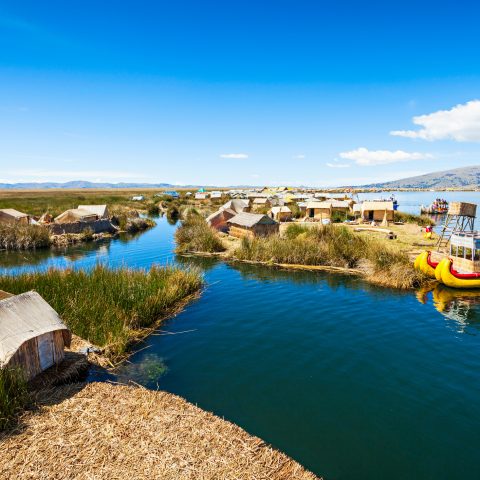
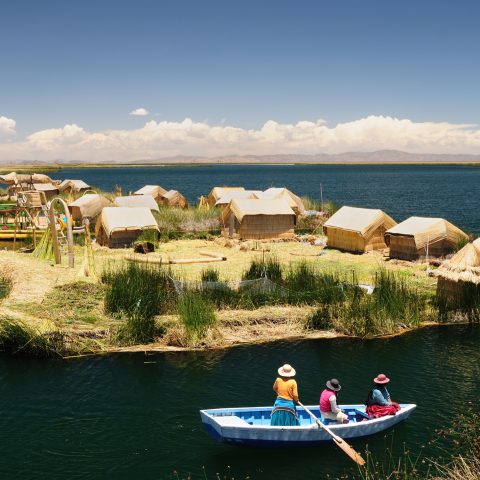
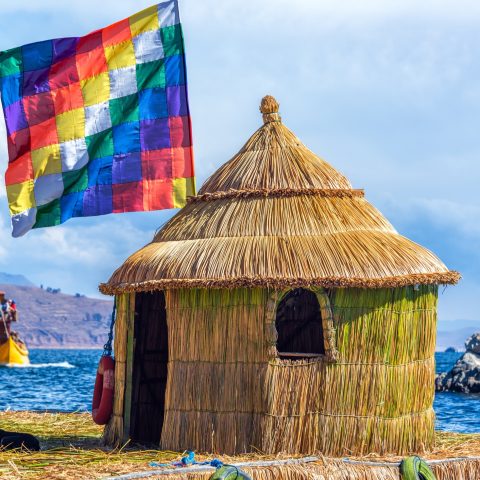
On the Peruvian side, close to the port of Puno, are the unique man-made reed islands of the Uros people. The rugged, terraced islands of Amantani or Taquile, once lost in time, where the local population still lives a traditional way of life, now eagerly welcome visitors in a controlled and respectful manner. Over the border in Bolivia are Isla del Sol and Isla de la Luna – rich in Inca mythology – and the lakeside town of Copacabana, with a modest sandy beach which lent its name to the somewhat larger one in Rio.
A Lake Titicaca tour takes you beyond the typical day trip. You’ll watch how the Uros people weave totora reeds into floating islands, see Taquile Island’s men knit intricate textiles recognised by UNESCO, and share home-cooked meals with families on Amantani Island who’ve maintained their agricultural traditions for generations. From the Bolivian side, Isla del Sol offers ancient Inca ruins and creation myths about the sun’s birthplace, while boat rides across the lake reveal how indigenous communities have adapted to life at 3,812m above sea level.




Travellers rate our tours 97% on AITO and 4.9/5 on Tripadvisor!
Visit Lake Titicaca for…
From floating reed islands and ancient Inca ruins to homestays with indigenous families, Lake Titicaca offers cultural experiences unlike anywhere else in South America.
- The Uros floating islands – Step onto man-made reed islands where the Uros people have lived for centuries, building homes, boats and furniture from totora reeds harvested from the lake.
- Island homestays – Stay with local families on Amantani, Taquile or Luquina Chico, sharing meals and learning traditional farming and textile-making skills.
- Taquile’s textile traditions – Visit this vehicle-free island where Quechua-speaking men knit and women spin, maintaining weaving traditions that have earned UNESCO recognition.
- Bolivia’s Isla del Sol – Hike between ancient Inca ruins on the island where, according to legend, the sun god was born – with views across the lake to the Cordillera Real.
- Pre-Inca heritage – Explore the Sillustani burial towers overlooking Lake Umayo, or visit Tiwanaku’s UNESCO-listed ruins near La Paz.
- Two countries, one lake – Cross from Peru to Bolivia by boat or bus, combining Puno’s folklore festivals with Copacabana’s lakeside charm.


Why Lake Titicaca with Journey Latin America?
We've been planning trips to Latin America since 1980 – and our team have lived, worked and travelled across the region ever since. That firsthand knowledge means we'll help you find the destination that suits you, from the routes worth taking to the places worth staying.
around you
our specialists
stays
by design
Lake Titicaca holidays and tours
From classic holidays exploring the lake’s unmissable sights to cross-continent tours visiting both Peru and Bolivia, we offer a range of Lake Titicaca holidays. Our Private Journeys combine the lake with Peru’s highlights like Machu Picchu and the Sacred Valley, or extend into Bolivia to explore La Paz and the Uyuni Salt Flats. Our Group Tours travel from Rio to Lima, taking in Lake Titicaca as one of South America’s most spectacular border crossings.
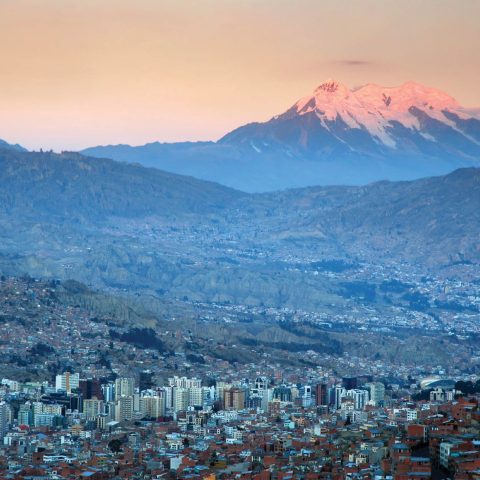

Private Journeys
Peru / Bolivia / Lake Titicaca
Active Peru and Bolivia: trekking Andean peaks to tropical rainforest
17 days from £4,140pp
(based on two people sharing & excluding flights)
(based on two people sharing & excluding flights)
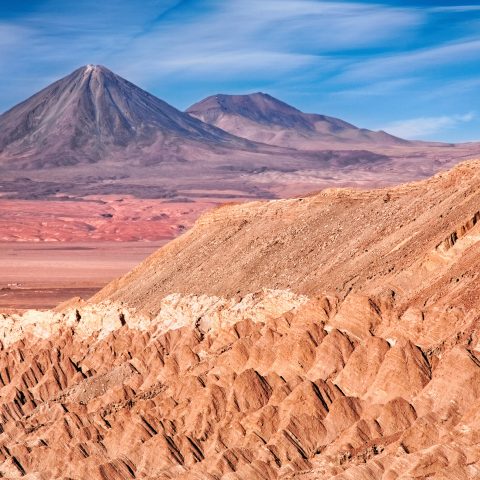

Group - Classic
Peru / Lake Titicaca / Bolivia / Chile
Andean Flamingo: Andes laid bare
17 days from £5,861pp
(based on two people sharing & excluding flights)
(based on two people sharing & excluding flights)
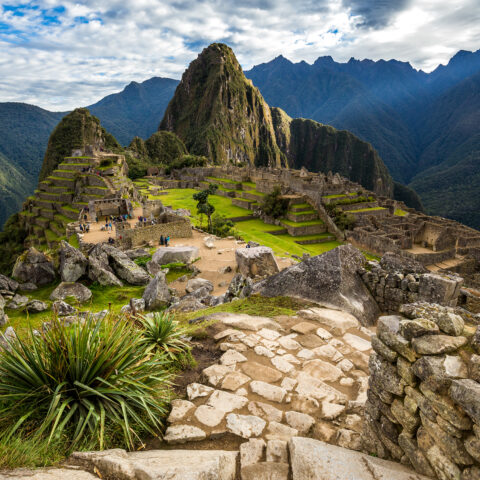

Group - Discovery
Peru / Lake Titicaca / Bolivia
Condor: Peru in depth
20 days from £3,851pp
(based on two people sharing & excluding flights)
(based on two people sharing & excluding flights)
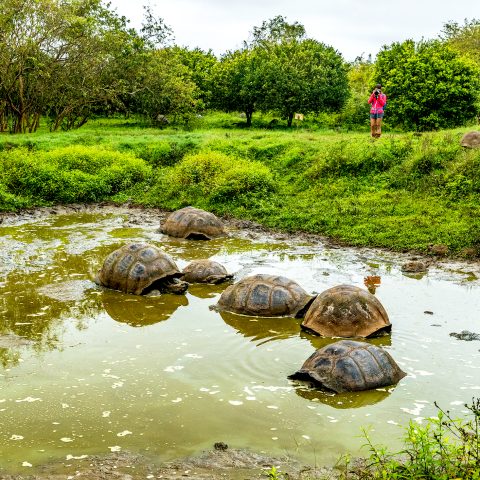

Group - Classic
Peru / Lake Titicaca / Ecuador & Galapagos Islands / Galapagos Islands
Galapagos Hawk: Peru and Galapagos
15 days from £7,431pp
(based on two people sharing & excluding flights)
(based on two people sharing & excluding flights)
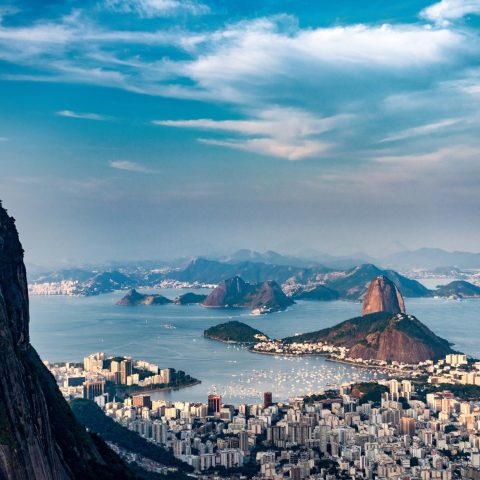

Group - Classic
Brazil / Iguazú Falls / Argentina / Bolivia / Lake Titicaca / Peru
Hummingbird: Ocean to ocean
21 days from £5,861pp
(based on two people sharing & excluding flights)
(based on two people sharing & excluding flights)
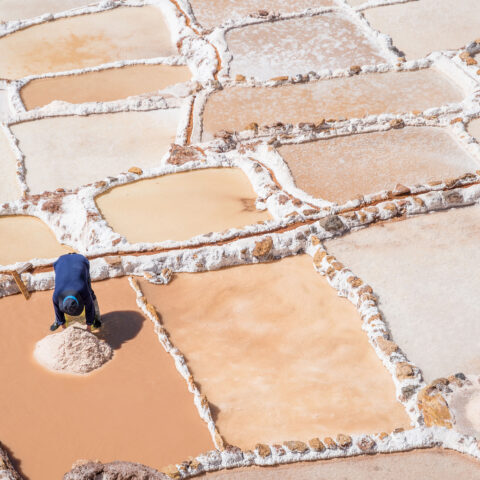

Group - Discovery
Peru / Lake Titicaca / Bolivia / Paraguay / Iguazú Falls / Brazil
Jacana: Crossing the continent
19 days from £4,583pp
(based on two people sharing & excluding flights)
(based on two people sharing & excluding flights)
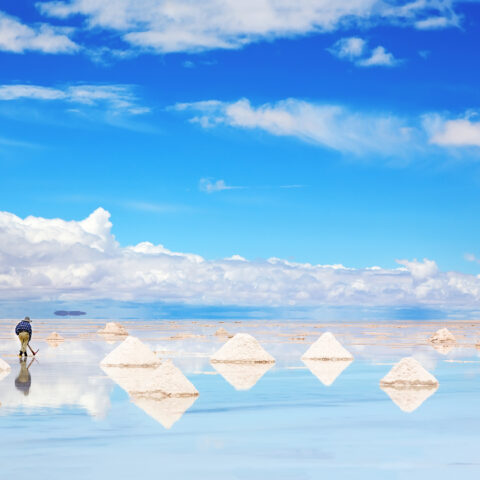

Group - Discovery
Argentina / Chile / Bolivia / Lake Titicaca / Peru
Pato Andino: Panorama of the Andes
20 days from £5,222pp
(based on two people sharing & excluding flights)
(based on two people sharing & excluding flights)

Group - Classic
Peru / Lake Titicaca
Pelicano: Essential Peru
14 days from £4,087pp
(based on two people sharing & excluding flights)
(based on two people sharing & excluding flights)

Private Journeys
Peru / Bolivia / Lake Titicaca / Chile
Signature Andes: Highlands of Peru, Bolivia and Chile
16 days from £5,510pp
(based on two people sharing & excluding flights)
(based on two people sharing & excluding flights)

Private Journeys
Peru / Lake Titicaca
Signature Peru: Classic highlights of Peru
15 days from £3,940pp
(based on two people sharing & excluding flights)
(based on two people sharing & excluding flights)

Group - Classic
Peru / Lake Titicaca
Swift: Ultimate highlights of Peru
10 days from £2,790pp
(based on two people sharing & excluding flights)
(based on two people sharing & excluding flights)

Private Journeys
Peru / Lake Titicaca
Value Peru: Sacred Valley of the Incas to Lake Titicaca
12 days from £1,950pp
(based on two people sharing & excluding flights)
(based on two people sharing & excluding flights)
Places to visit in Lake Titicaca – expert tips and advice
Lake Titicaca straddles Peru and Bolivia, and each side offers a distinct experience. Most visitors base themselves in Puno on the Peruvian side, but the lake’s islands are the main draw – and crossing to Copacabana in Bolivia adds Inca archaeology and a quieter lakeside atmosphere.


Explore Lake Titicaca’s tranquil sapphire and golden islands, as well as the floating reed islands inhabited by the indigenous Uros people.


One of Latin America's most iconic sites, Lake Titicaca straddles the border of Peru and Bolivia. Visit the unique man-made floating reed islands of the Andean community with experts Journey Latin America.
Places to stay in Lake Titicaca
Puno offers the widest accommodation choice, from budget hostels to comfortable hotels with lake views. Several properties sit directly on the shore outside the city centre, offering peaceful surroundings with oxygen-enriched rooms to help with altitude acclimatisation. On the islands, homestays provide basic but authentic experiences – adobe homes, simple mattresses and meals cooked over open fires. For complete tranquillity, Isla Suasi is a private island retreat in a vehicle-free environment. On the Bolivian side, Copacabana has guesthouses and hotels along the waterfront.


Awasi Iguazú is a first class superior lodge offering exclusive, personalised guided adventures from luxury accommodation.


Welcoming, modern little hotel that offers a good value base for exploring Iguazú Falls.


First-class property of understated elegance on the jungle-lined road to Iguazú Falls with excellent facilities and sophisticated design.
When to visit
The lake sits at 3,812m above sea level, where temperatures can be chilly year-round despite the strong high-altitude sun. Weather conditions vary significantly between seasons.
A guide to the seasons
The dry season (April-October) is the best time to visit, with clear blue skies, strong sunshine and little rain. Daytime temperatures hover around 15-18°C, ideal for boat tours to the Uros floating islands and walks through Taquile Island’s terraced slopes. June and July bring the coldest nights when temperatures drop below freezing. August can see strong winds that make boat rides choppy, but conditions remain excellent for exploring.
The wet season (November-March) brings warmer daytime temperatures but frequent afternoon showers and cloudy mornings. January and February see the heaviest rainfall, occasionally restricting access to certain islands. However, the surrounding Altiplano turns green, and fewer tourists mean more intimate experiences on homestays.
July and August are the busiest months when Puno’s hotels and island homestays fill quickly. May and September offer the best balance – comfortable weather, fewer crowds and good availability. If you visit during Puno’s Fiesta de la Virgen de Candelaria in early February, you’ll witness one of South America’s most spectacular cultural celebrations, though book accommodation months ahead.


Start planning your Lake Titicaca holiday today
You can contact our Travel Experts if you feel inspired to book a holiday. We have over 40 years of experience in organising award-winning trips to Central and South America, so you can trust us to book an exciting trip for you.
Things to do in Lake Titicaca
From stepping onto the springy surface of a floating reed island to sharing a home-cooked meal with a family at 3,812m, Lake Titicaca’s experiences are rooted in the living traditions of its indigenous communities.


Visit traditional Aymara villages on the shores of the world's highest navigable lake.


Visit a traditional village, walk with llamas and visit the stone burial towers of the ancients on this cultural tour around Lake Titicaca.


Visit the floating reed islands of the Uros Uruitos and the Islands of the Moon and Sun with their Inca ruins and fascinating cultures.
FAQs about visiting Lake Titicaca
Visiting Lake Titicaca for the first time? Our experts answer the most common questions, from how to handle the altitude to the best time to visit.
When is the best time to visit Lake Titicaca?
Lake Titicaca is visited throughout the year, not least because it is on the main route between southern Peru and Bolivia. The dry season, when sunny days can be expected, runs May-Oct but in June and July it can be below freezing at night. Rain falls Jan-Mar and the lake becomes grey and choppy, but still atmospheric.
For more detailed information visit our When To Go section.
What's the official language at Lake Titicaca?
Spanish is the official language of Lake Titicaca.
What's the official currency at Lake Titicaca?
In Peru, the local currency is Nuevo Sol, while in Bolivia, it’s Peso Boliviano. Notes in local currency or US dollars can be withdrawn from banks in Puno using a UK credit or debit card. Money exchange offices exchange US dollars cash (few accept euros or sterling and the rate may be poor). In Copacabana, Bolivia, there’s a bank which offers advances on a Visa card and casas de cambio which exchange US dollars and Peruvian Soles. Commission rates are generally higher than in the major towns and cities.
What's the time difference between Lake Titicaca and the UK?
Reaching across two countries, Lake Titicaca has two time zones. The time difference between the UK and Peru is -5 hours GMT, and -4 hours GMT between the UK and Bolivia.
Which other countries combine well with Lake Titicaca?
Cusco, Peru 6-9 hours by road or 10 hours by train; La Paz, Bolivia (155km).
How do I get to Lake Titicaca?
To get to Lake Titicaca you can travel to Puno (Peru), by train from Cusco (10 hours) or by road (6-9 hours). Fly to Juliaca from Lima or Arequipa, 1 hour and 30 mins respectively; from here it’s a 45 minute drive to Puno. It’s a couple of hour’s drive and short ferry ride to Copacabana from La Paz (3.5 hours).
What are the festivals and cultural events on Lake Titcaca?
There are lots of exciting events taking place in Lake Titicaca throughout the year:
Fiesta de la Virgen de la Candelaria: Puno and Copacabana, early Feb. Dance competitions, re-enactments of local Aymara legends, masked processions, much drinking and generalboisterousness.
Semana Santa (Easter): Candelight processions in Puno, pilgrims walking the stations of the cross in Copacabana.
Foundation of Puno: Puno, 5 Nov. Impressive pageant, and enactment of Manco Capac and Mama Ocllo emerging from the waters of the lake.
Independencia: Copacabana, first week of August. Animated music, parades, fireworks, boozing.


Expert tips on visiting Lake Titicaca
“Spend at least one night on the islands rather than just doing a day trip from Puno. The homestay at Luquina Chico is particularly special – it’s far less visited than Amantani or Taquile, and the community welcome is warm. And if you’re crossing to Bolivia, don’t rush through Copacabana – an overnight there lets you catch the early boat to Isla del Sol before the day-trippers arrive.”
Ready to plan your 2026/27 Lake Titicaca holiday?
You can contact our Travel Experts if you feel inspired to book a holiday. We have over 40 years of experience in organising award-winning trips to Central and South America, so you can trust us to book an exciting trip for you.
Papagaio
Your edit for Latin American inspiration
Our exciting range of articles on Latin America explore everything from iconic destinations and lesser-known cultural gems to delicious traditional recipes. You’ll also find exclusive travel tips, first-hand client reviews and the chance to get your personal questions answered by our travel experts.
View Extraordinary Inspiration