




Overview
The Falkland Islands (Islas Malvinas) lie 500km east of the coast of Argentina. While most people are aware of the islands’ history and the long-running territorial dispute, few are aware of the wilderness beauty of this remote archipelago in the South Atlantic Ocean.
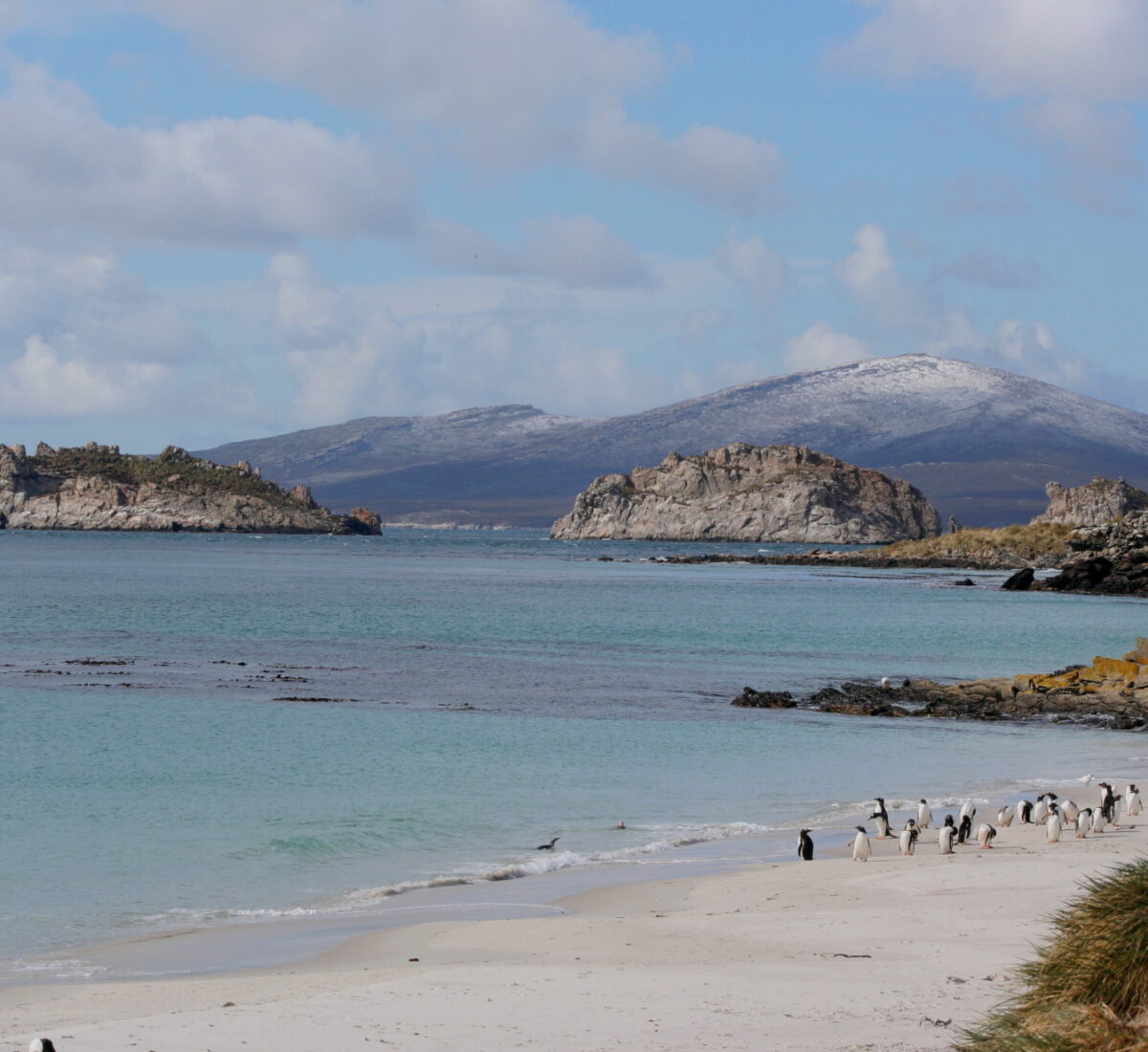
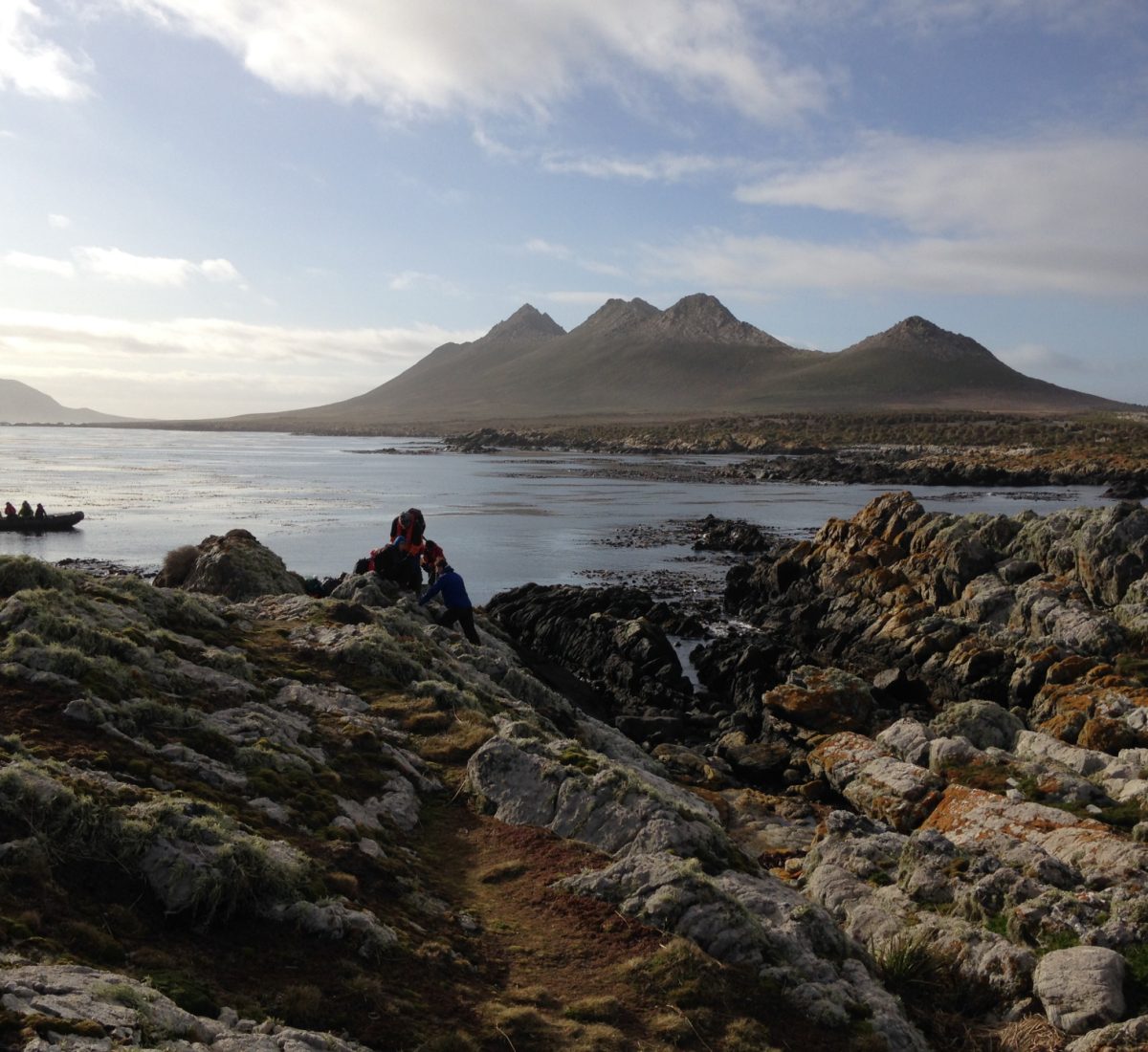
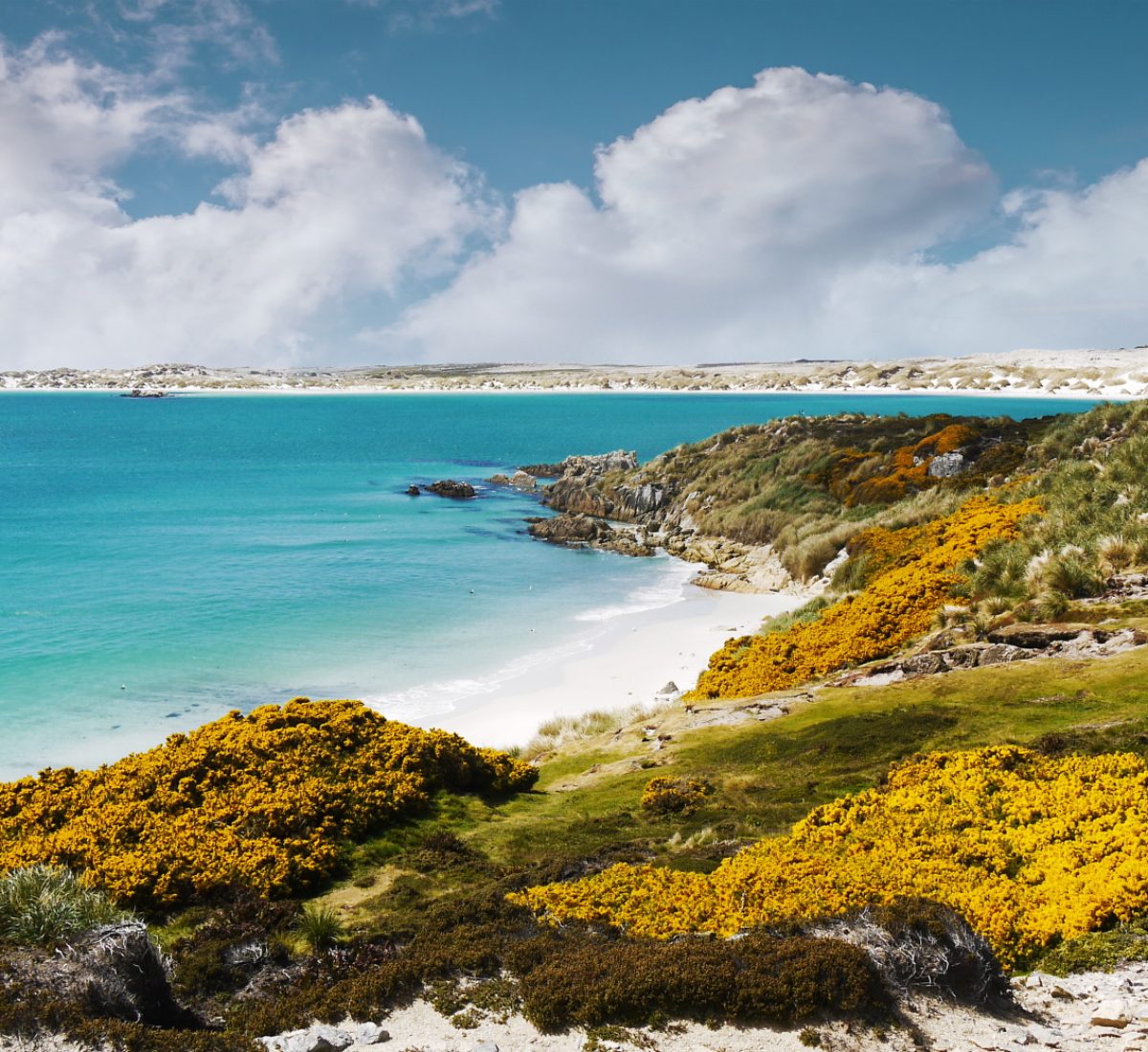
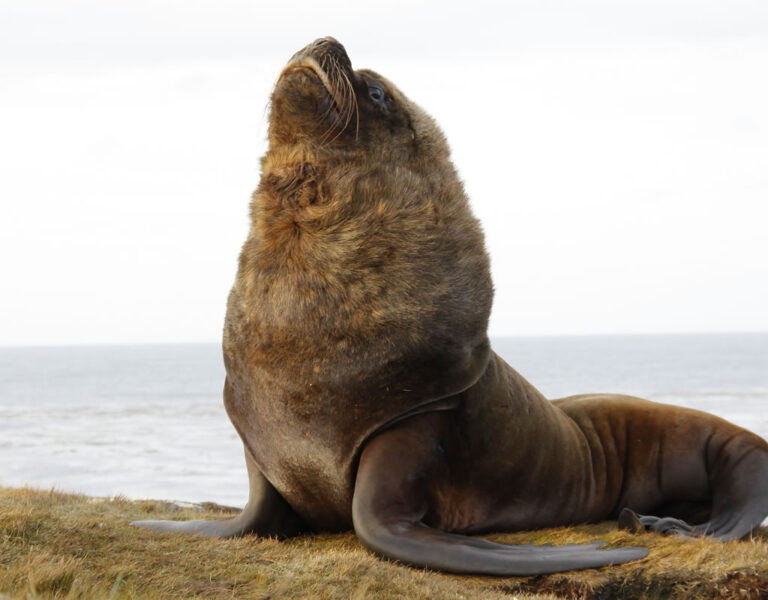
The islands have an unspoilt hilly environment with sprawling, wind-buffeted landscapes and white sand beaches. A huge variety of wildlife inhabits or visits the archipelago, and the fauna outnumbers the human population by 10 to 1. Five species of penguin crowd the shores of the Falklands – Gentoo, Macaroni, Rockhopper, King and Magellanic penguins. Elephant seals, sea-lions and seals, an abundance of birds, minke and killer whales can all be spotted here, too.
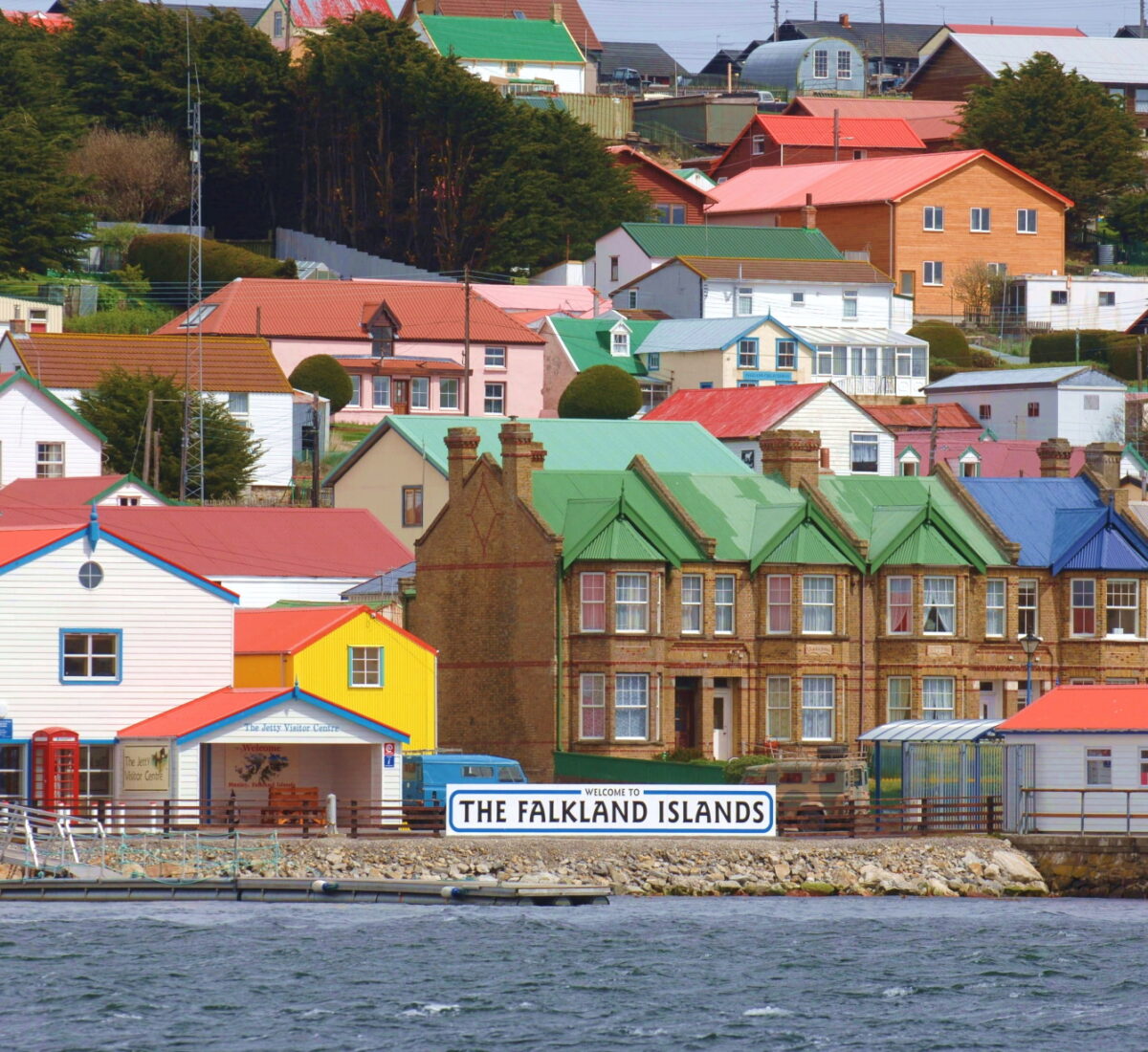
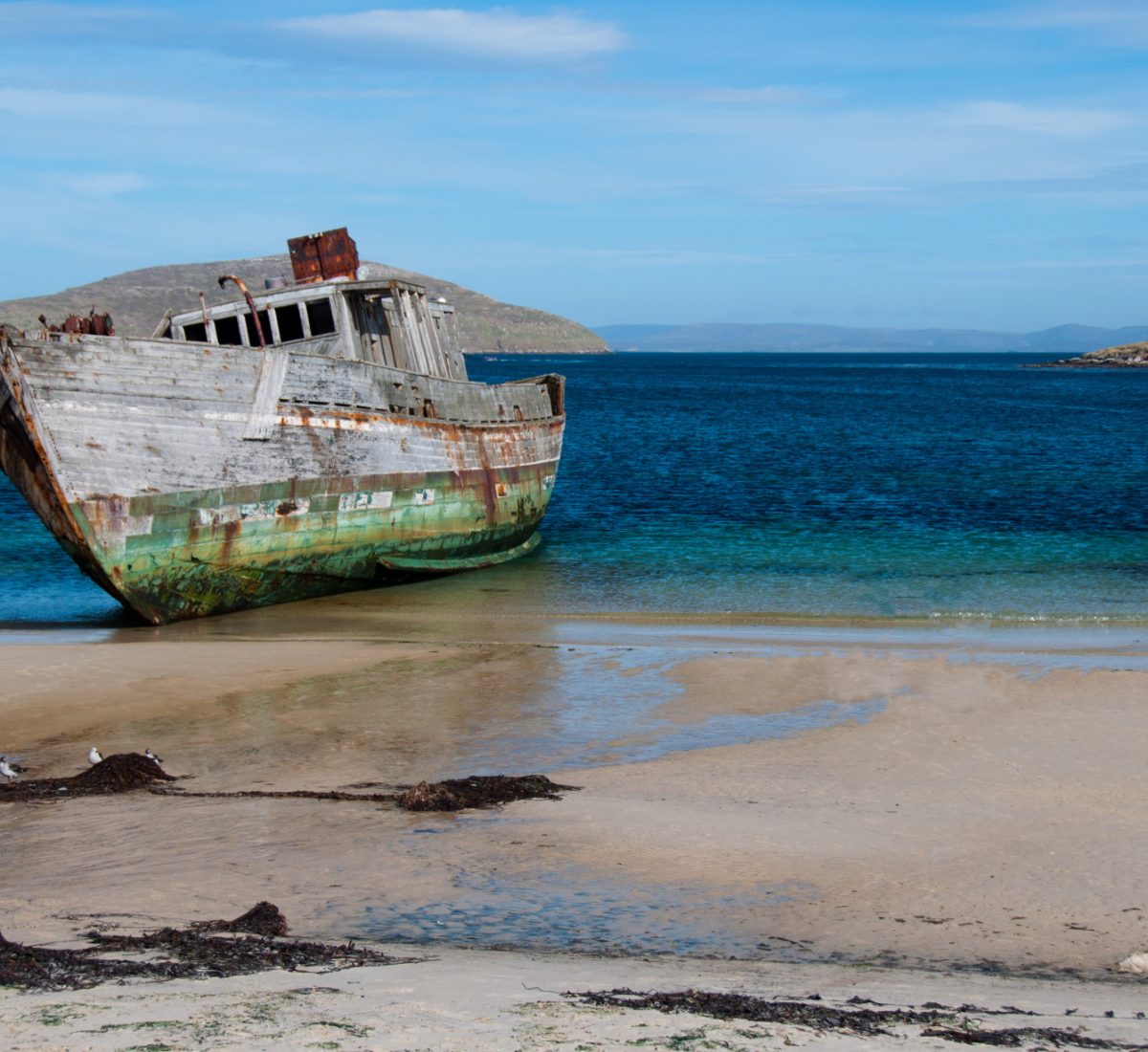
The capital, Port Stanley, resembles a small English town circa 50 years ago, with white, pitched-roofed cottages, an Anglican seafront church and familiar red phone boxes. The hulks of ships abandoned a century ago lie in rocky coves, a testament to an era when the islands were a port of call for passing ships before the opening of the Panama Canal. Nowadays, around 3,700 islanders remain British in outlook and descent, adhering to British laws and buying British goods.
Falkland Islands holidays with Journey Latin America
As the UK’s longest-established tour operator specialising in South America, we’ve been designing bespoke tours to the Falkland Islands for decades. Our travel experts have visited the islands first-hand, which means the advice we give you is grounded in real experience. We handle everything from flights and island-hopping logistics to remote lodge stays, so you can focus on what matters: the wildlife, the landscapes and the history.
Whether you’re planning solo travel or group travel, a standalone Falklands experience or a wider expedition that takes in South Georgia and the Antarctic Circle, we’ll build an itinerary around you. We offer both private tailor-made trips and expedition cruising options, and our team is on hand to help with tour length, holiday budgets and any specialist questions along the way.
Wildlife in the Falkland Islands
The Falklands are, above all else, a wildlife destination. The archipelago sits in the South Atlantic at a latitude where cold, nutrient-rich waters support vast populations of fish, squid and krill – and the wildlife that feeds on them.
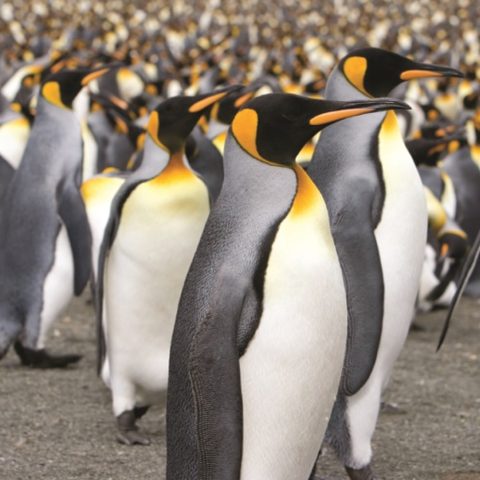
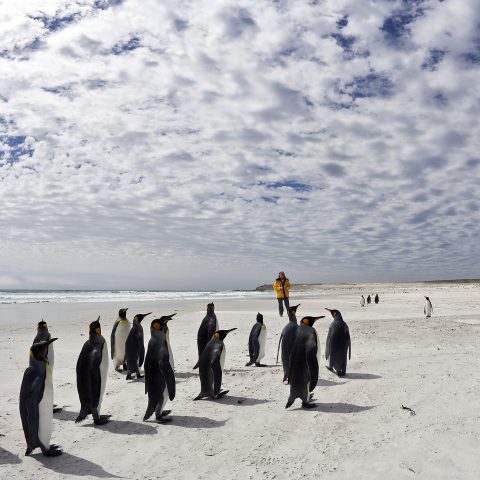
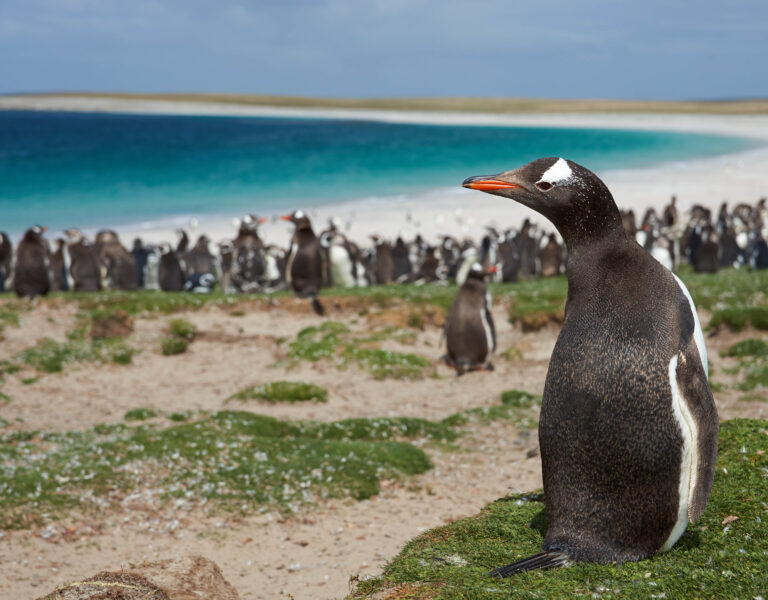
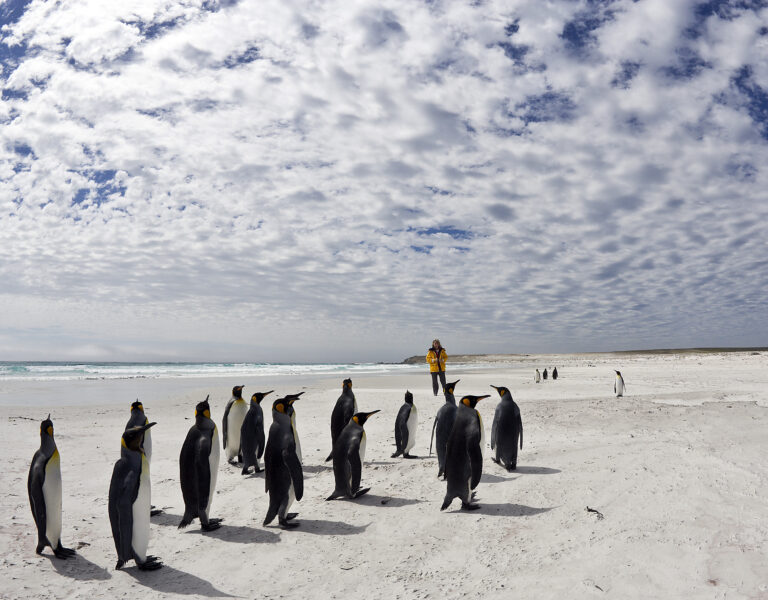
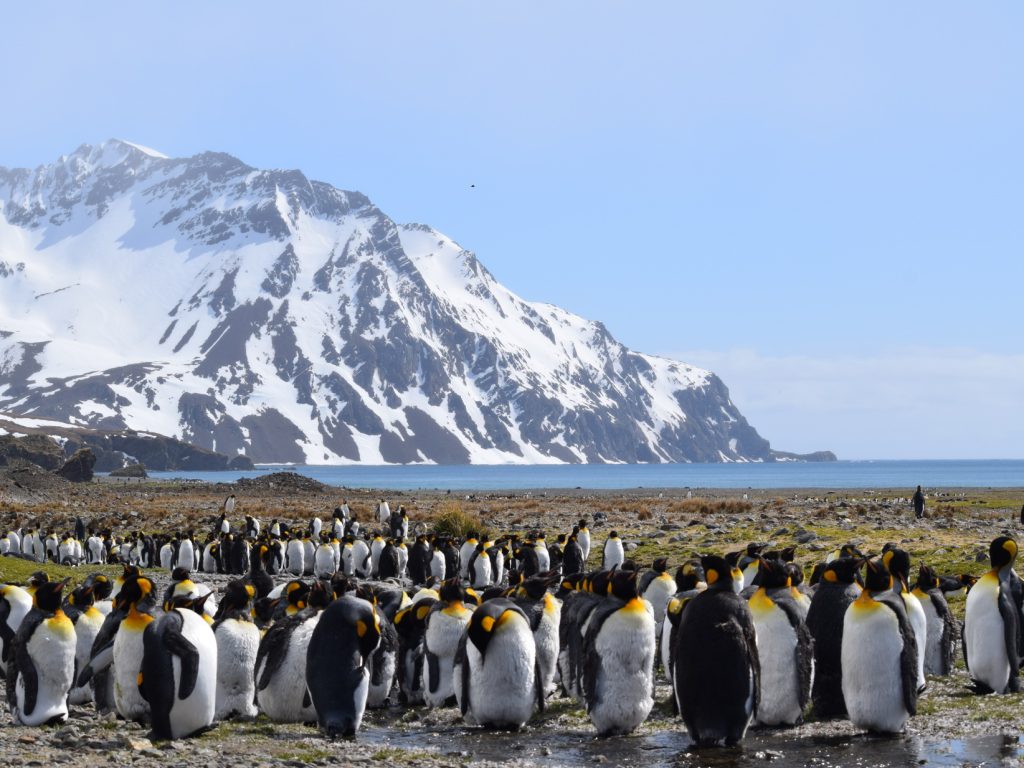
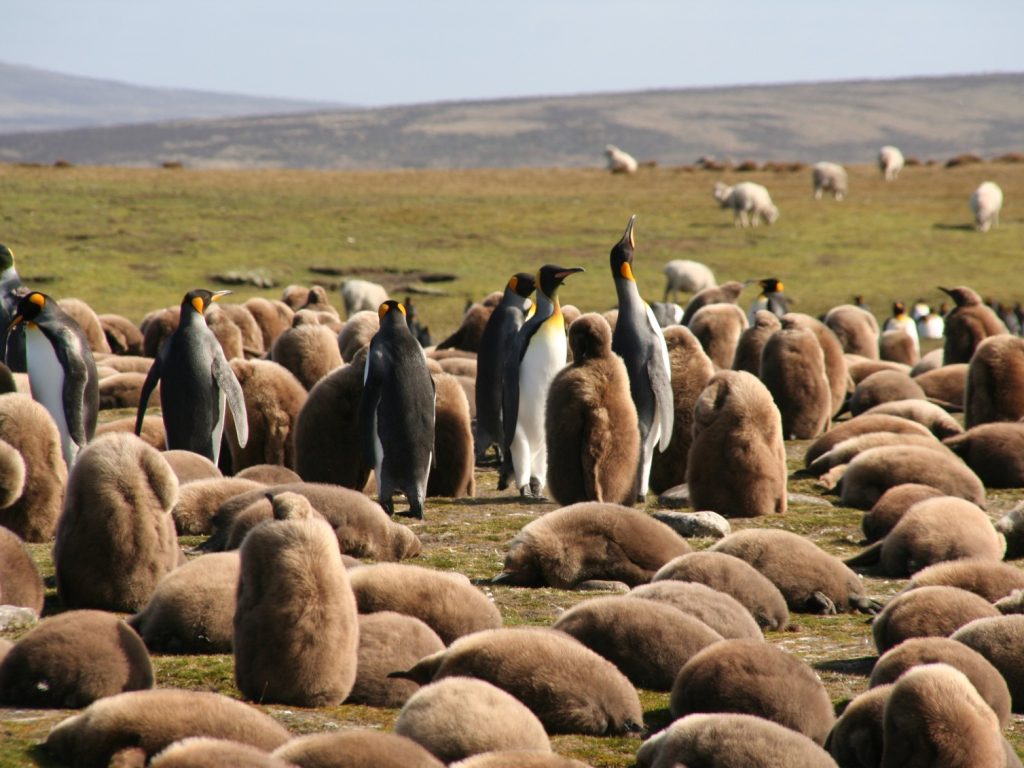
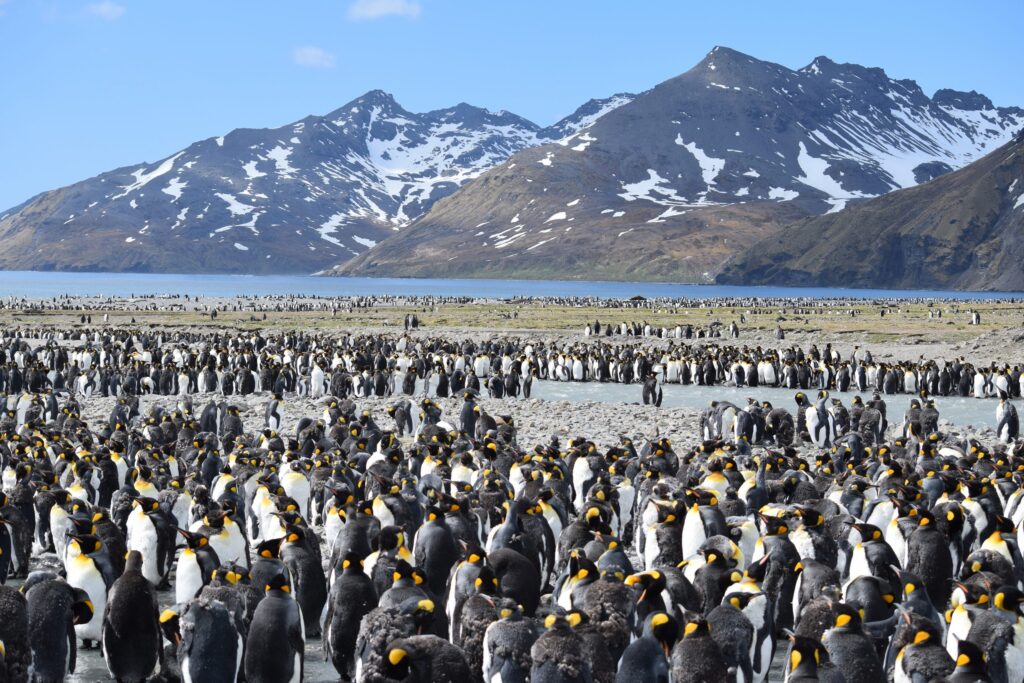
Penguins are the draw. Gentoo colonies are found island-wide and are often the easiest to observe up close. Rockhopper penguins – small, yellow-crested and perpetually combative – gather in noisy clifftop colonies. Macaroni penguins are less commonly seen but can be found on some outer islands. King penguins, the second-largest species, breed at Volunteer Point on East Falkland, where you can stand among hundreds of birds during the breeding season between October and March.
Beyond penguins, orca move through the straits between islands – particularly around Sea Lion Island in the south – and you may spot them from shore or during a boat crossing. Giant petrels and cormorants wheel overhead, and black-browed albatrosses nest on exposed cliff ledges. With over 220 bird species recorded on the islands, the Falklands offer superb opportunities for wildlife photography.
Places to visit in the Falkland Islands
Stanley
The Falklands’ small capital sits on a sheltered harbour on East Falkland, with painted corrugated-iron houses running along the waterfront. It’s compact enough to walk end to end in minutes, but there’s enough to fill a half-day: the cathedral, the ship wrecks rusting at Whalebone Cove and a small museum covering both island history and the 1982 war. The warmth and hospitality here come as a pleasant surprise to most visitors.
East Falkland
East Falkland is home to Stanley and some of the archipelago’s most visited wildlife sites. Head north and you’ll reach Volunteer Point, the most accessible King penguin colony on the islands, reached via an around two-and-a-half-hour drive across open farmland. Closer to Stanley, Gypsy Cove offers a short walk to a Gentoo colony on a white sand beach, with Magellanic penguins nesting in the sand dunes above.
Pebble Island
Pebble Island lies off the north coast of West Falkland and is one of the most rewarding places in the archipelago for wildlife and walking. You’ll find all five penguin species here, along with elephant seals, sea lions and an excellent range of coastal birds. The island’s lodge makes it well-suited to a multi-night stay.
Sea Lion Island
The southernmost inhabited island in the Falklands is small enough to walk across in an afternoon, but its wildlife density is extraordinary. Southern elephant seals haul themselves onto the beaches in large numbers, orca occasionally patrol the shallows, and the tussac grass around the lodge shelters gentoo and Magellanic penguins. It’s one of the best places in the archipelago to observe wildlife at close range.
Bleaker Island
A small, privately owned island in the south-east of the archipelago, Bleaker Island offers good access to three penguin colonies, as well as a huge imperial cormorant colony. With a quiet, unhurried atmosphere, it works well as an add-on for travellers already visiting Sea Lion Island.
Combining the Falklands with South Georgia and Antarctica
The Falklands are a natural staging post for expeditions further south. Our Antarctica Wildlife: Falklands, South Georgia and the Antarctic Peninsula itinerary is a 23-night expedition cruise that takes in all three destinations in a single trip, departing from Ushuaia. South Georgia – around 1,400km to the east of the Falklands – adds enormous King penguin colonies, vast elephant seal beaches and the historic landing sites of Shackleton’s Endurance expedition. From there, the cruise continues south towards the Antarctic Peninsula and, conditions allowing, the Antarctic Circle.
If you’d prefer to focus on the islands alone, our Falklands Experience itinerary is a standalone trip island-hopping between Stanley, Pebble Island and Sea Lion Island. It’s the better choice for those who want unhurried time in the archipelago without the wider expedition.
Our top holiday styles to Falkland Islands


Holidays Falkland Islands
From expertly designed Private Journeys to trail-blazing Group Tours, browse our range of carefully crafted holidays.

Private Journeys
Antarctica / Falkland Islands
Antarctica Wildlife: Falklands, South Georgia and the Antarctic Peninsula
23 days from £22,620pp
(based on two people sharing & excluding flights)
(based on two people sharing & excluding flights)

Private Journeys
Falkland Islands
Falklands Experience
8 days from £3,760pp
(based on two people sharing & excluding flights)
(based on two people sharing & excluding flights)
Places To Visit In Falkland Islands
Discover our guide to the most exciting, memorable and inspiring places to visit.




Things to do
We proudly offer the widest range of activities, excursions and one-of-a-kind experiences across all our destinations, tried and tested personally by our travel experts.


Accommodation
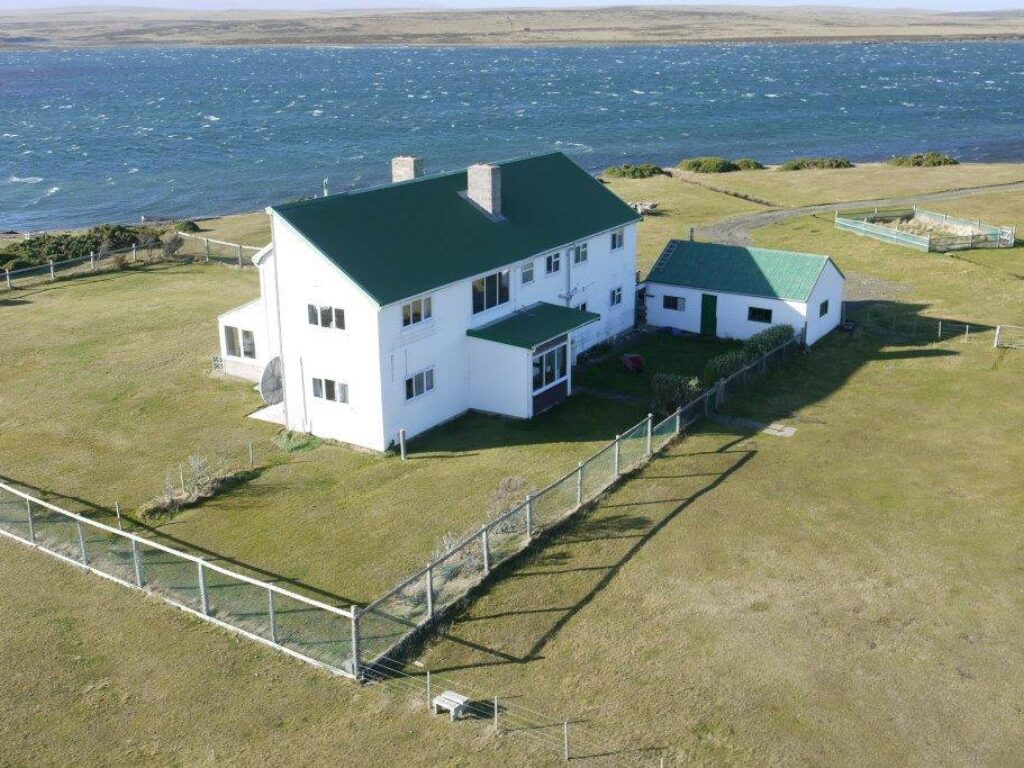
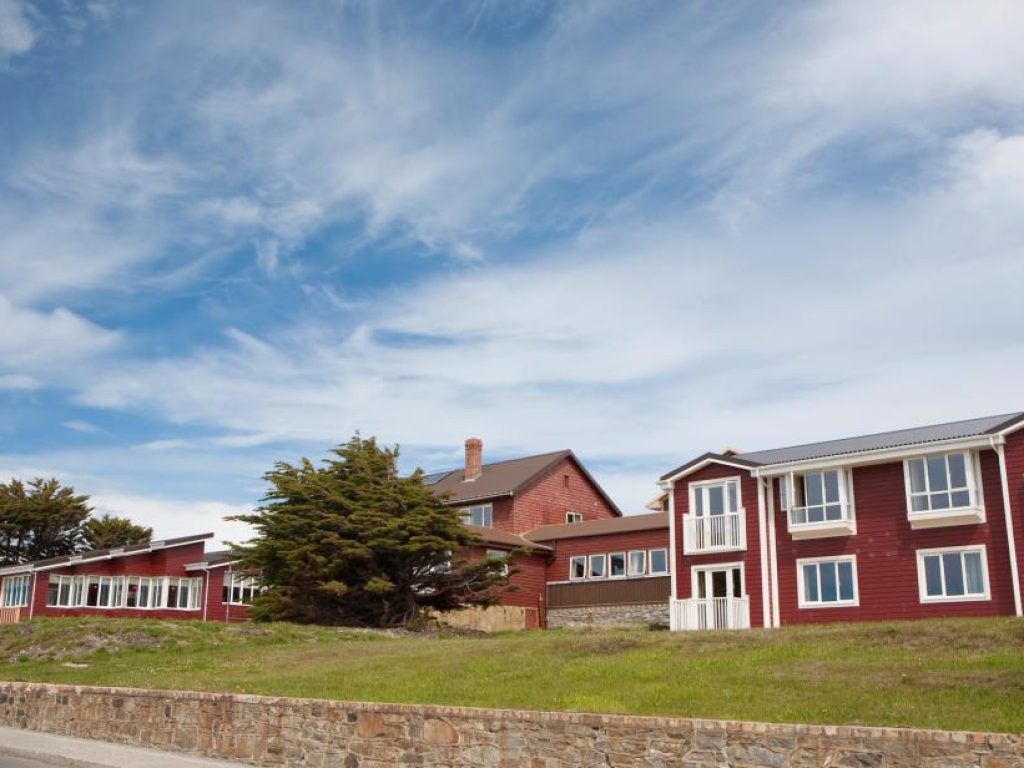
Browse our unrivalled portfolio of accommodation. Every option has been carefully chosen by our team of travel experts, so you can rest assured that you’ll relax in utter comfort.


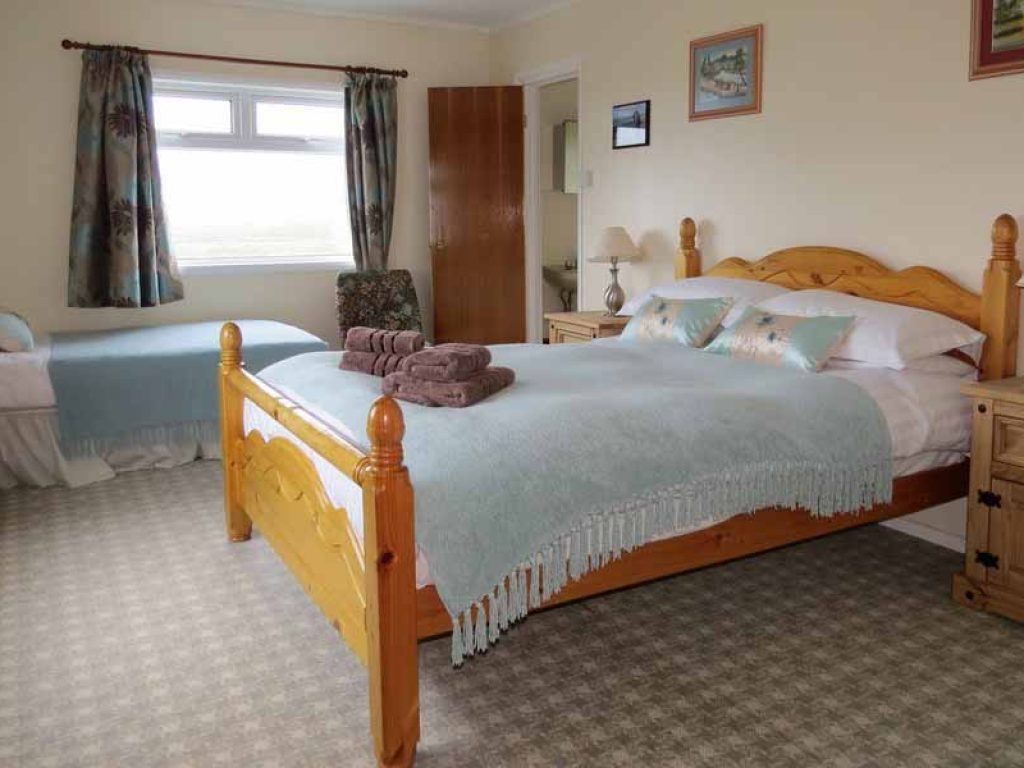



Where to go when - our guide to Falkland Islands

The weather in Falkland Islands is wide and varied
The remote wind-swept Falkland Islands lie exposed to the elements in the South Atlantic Ocean some 300 miles east of South America’s Patagonian coastline and 800 miles from Antarctica.
Consisting of two main islands, East Falklands and West Falklands, and approximately 750 smaller islands this rugged, sparsely populated archipelago offers superb close-up wildlife encounters and some stunning wild landscapes. Although some visitors come for the fly fishing (September - April) or for battlefield tours to learn about the 1982 conflict, the vast majority of tourists come for the fabulous and abundant wildlife.
Wildlife activity starts in the spring months of Sep and Oct but the long austral summer days between November and February, when the weather is at its best and the migratory birds, penguins and mammals have all arrived, is the best time to visit. The average temperature over these months is 13°C although on a clear sunny day, when the wind lets up, it can get as hot as 20-25°C. The wind is a constant most of the time and it’s common to experience all four seasons in the same day with a wind-chill that can make it feel colder than the average temperatures suggest.
The autumn months of March and April still provide some good wildlife watching, but the days are shorter with less sunshine, it gets colder and by the end of April most migratory species have headed out to sea. Annual rainfall is relatively low and pretty evenly spread throughout the year. In fact, the islands get less rain and enjoy a similar amount of sunshine as the south coast of England, with an average of 6 - 7hrs a day between October and March.
There’s little reason to visit between May and August as it’s very cold (2°C average in June and July), days are short and whilst you can still see Gentoo penguins (in reduced numbers), King penguins and smaller non-migratory birds there’s little other wildlife.
Papagaio
Your edit for Latin American inspiration
Our exciting range of articles on Latin America explore everything from iconic destinations and lesser-known cultural gems to delicious traditional recipes. You’ll also find exclusive travel tips, first-hand client reviews and the chance to get your personal questions answered by our travel experts.
View Extraordinary Inspiration