8 interesting facts about Easter Island
Published date: 14 July 2016

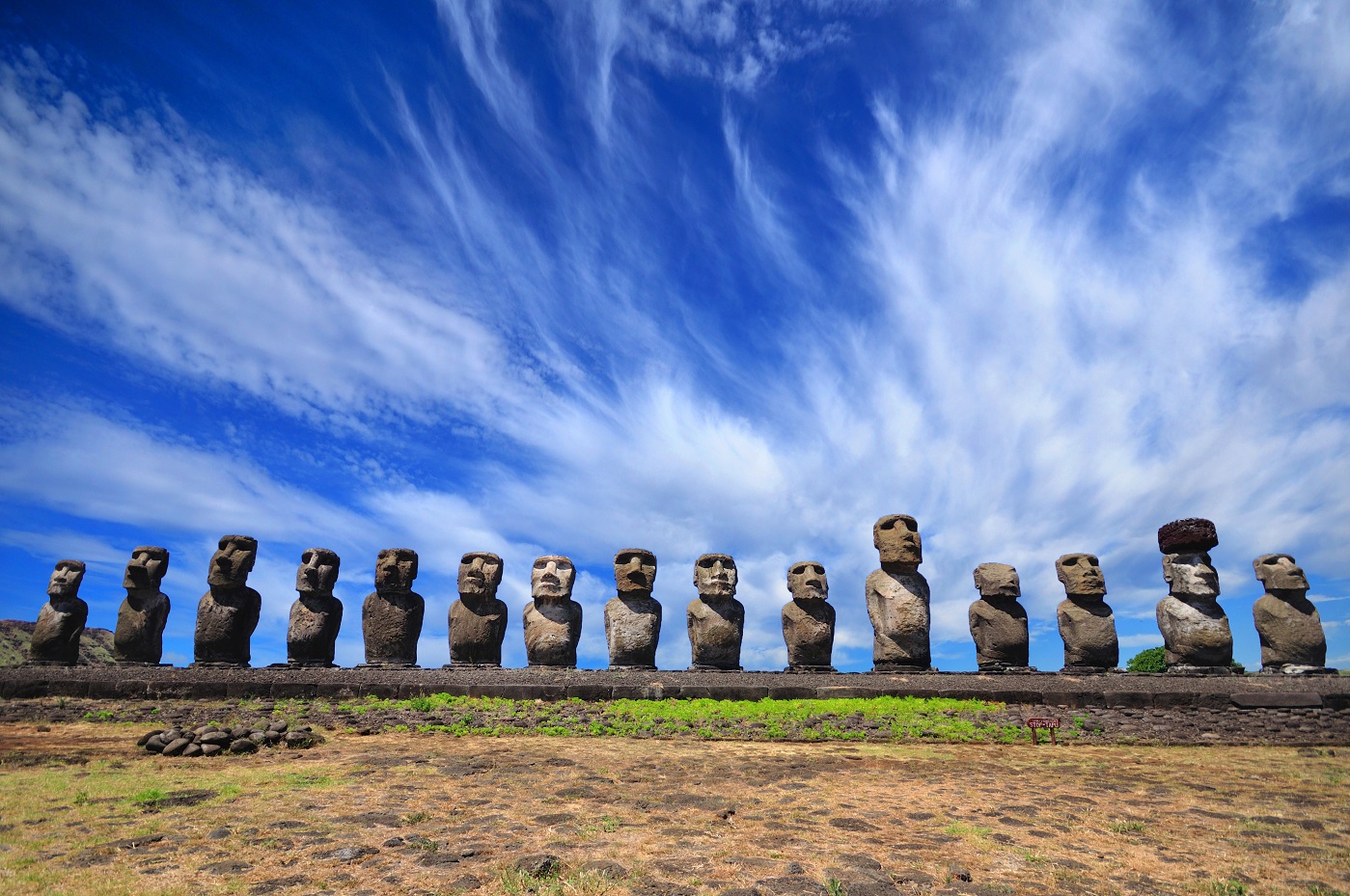
Tiny, unique and remote Easter Island in the South Pacific has become a mesmeric destination for historians and travellers alike. The mystery surrounding the Moai statues is what brings most visitors here: it is still unknown today how they were carved or how they were transported around the island. There are many myths about Easter Island so we thought we’d take a look at some of the known facts about this mysterious destination.
Thinking of taking a trip to Chile? Take a look at our Chile highlights guide.
• Completely isolated in the middle of the Pacific Ocean, the island is 3,700km west of the coast of continental Chile, roughly the same distance between London and the tip of Canada.
• The cultural and archaeological treasures of Easter Island were the first of any Pacific island nation to be registered by UNESCO on its World Heritage List.
• The name Easter Island was given by Jacob Roggeveen, the first recorded European visitor to the island on 5 April 1722, which so happened to be Easter Sunday.
• There are nearly 900 Moai on Easter Island, in various stages of restoration.
• The average size of a Moai statue is 13 feet tall and 14 tons.
• Built to honour a chieftain or important people the natives believed the spirit of the person would forever watch over the tribe and bring good fortune. This is why the statues are called Moai: the word comes from Rapa Nui (the Polynesian language of Easter Island) and means “so that he can exist”.
• None of the Moai statues were standing when scientists first arrived – those upright today have been re-erected.
• Although commonly known as the ‘Easter Island heads’ this is a misconception as it was discovered in 2012 that all of the heads have full bodies which have become submerged.
Find out more about how you can visit this fascinating island on your next holiday.